【LINGOOD】Plastics & Rubber | Kazakhstan Project Passes Acceptance on First Attempt: Six-Component Loss-in-Weight Dosing System Validates 10 Formulations in 7 Days
The Kazakhstan customer in this project specializes in modified plastics production. The requirement was for one production line to handle glass-fiber reinforcement, mineral-filled compounds, white masterbatch, and recycled-material modification, covering a total of 10 formulations.
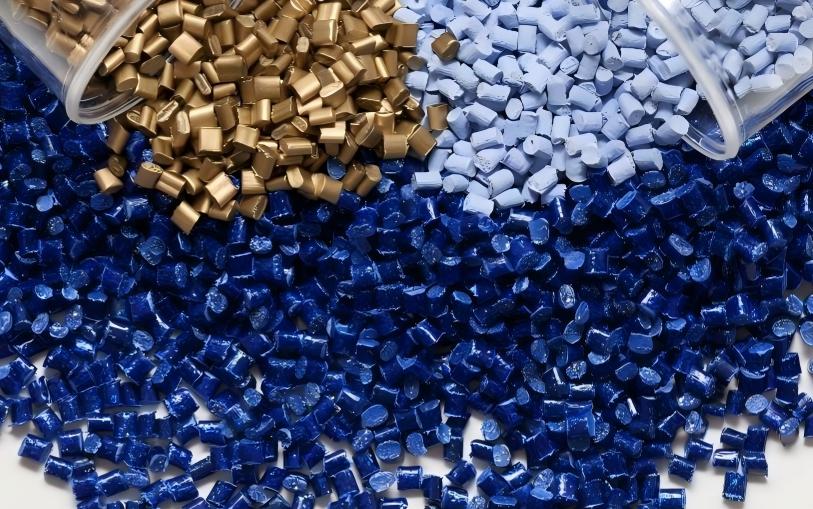
The materials involved included PP, PE, PPR and other resins, together with titanium dioxide, calcium carbonate, talc, barium sulfate, calcium oxide, short glass fiber, and small-percentage masterbatch additives.
The customer had previously experienced issues such as pipeline blockage, material bridging, and unstable dosing ratios, which affected extrusion, venting, and final product quality.
01 | System Configuration
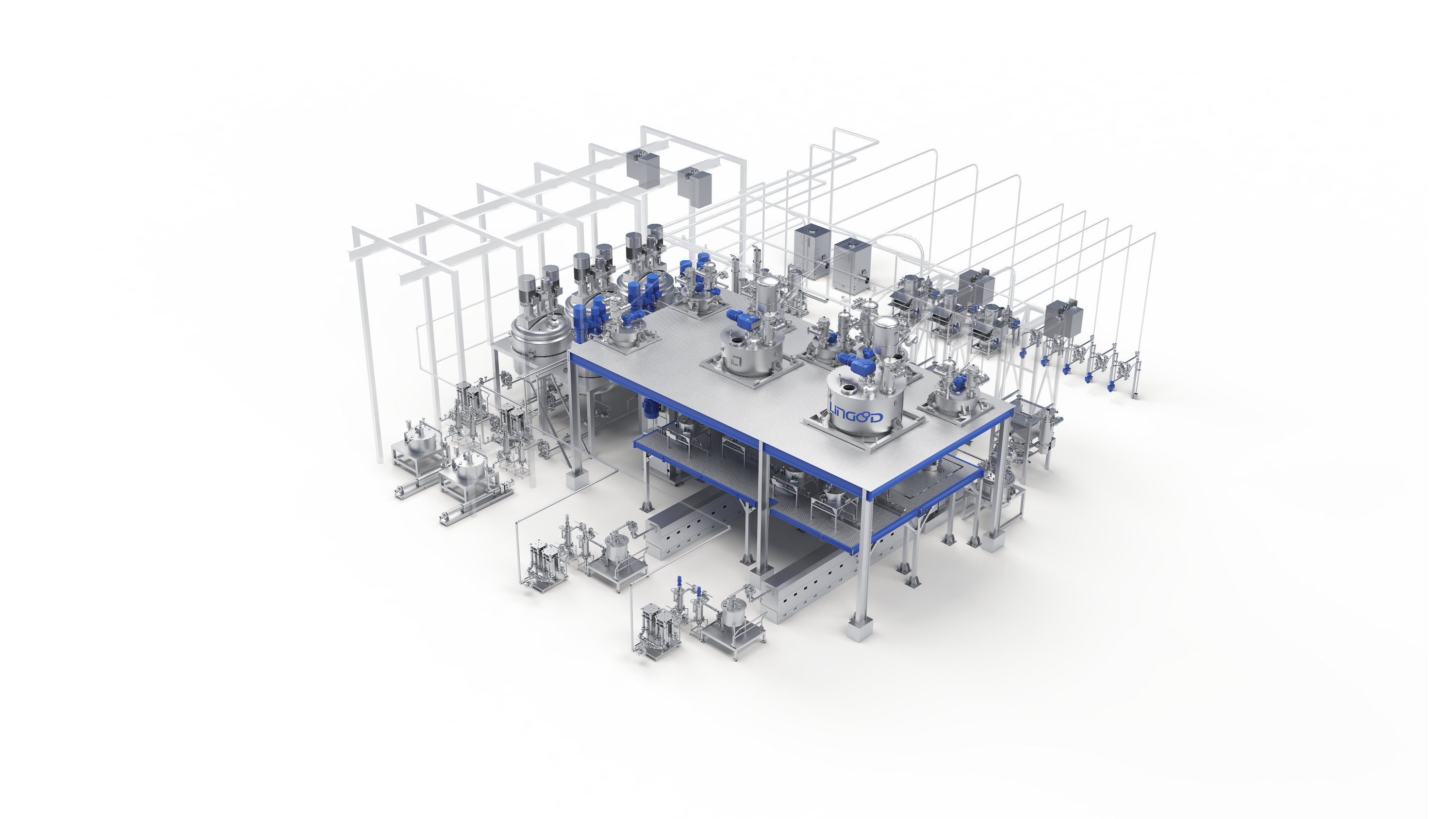
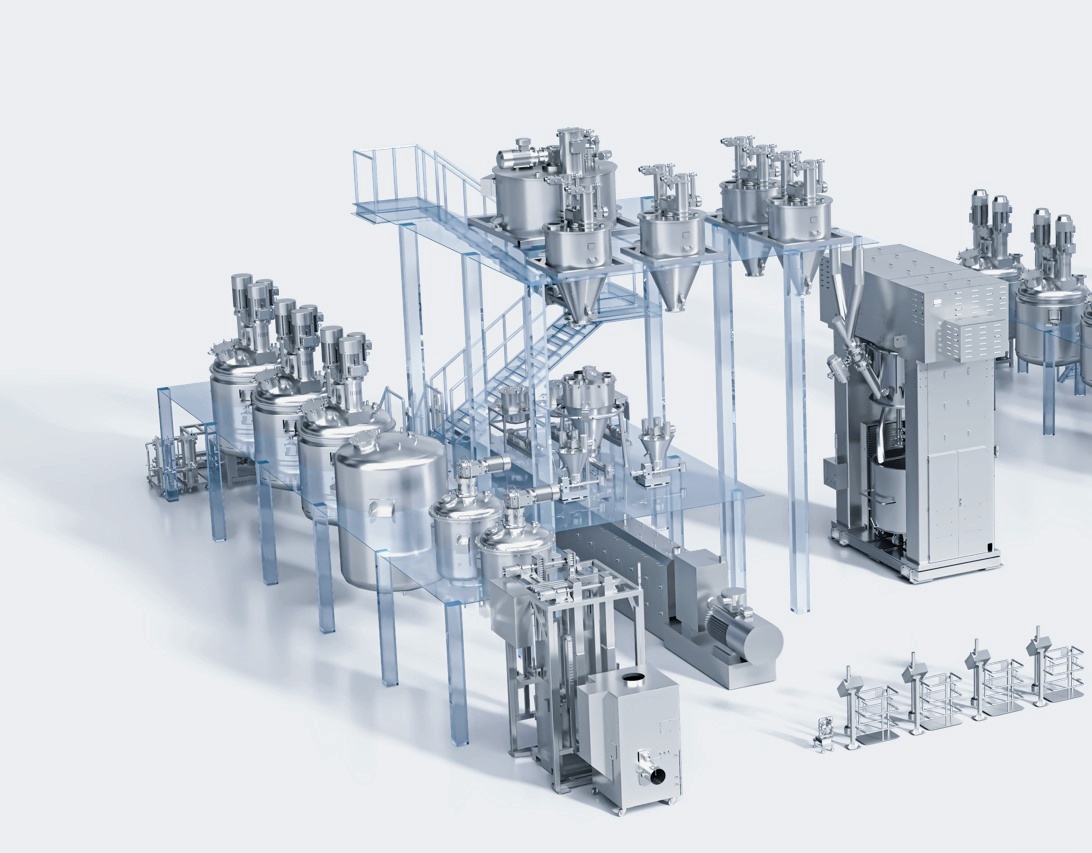
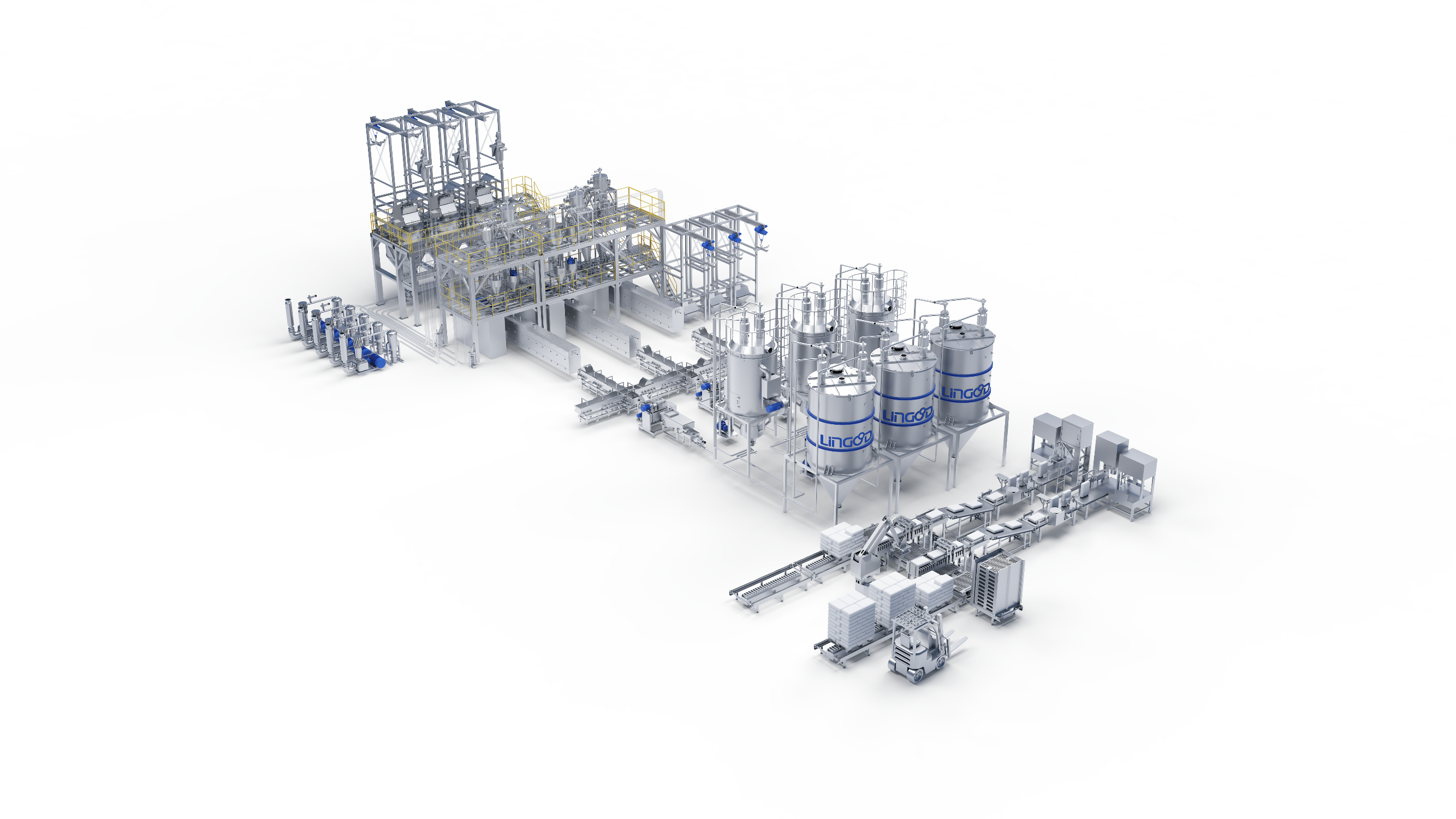
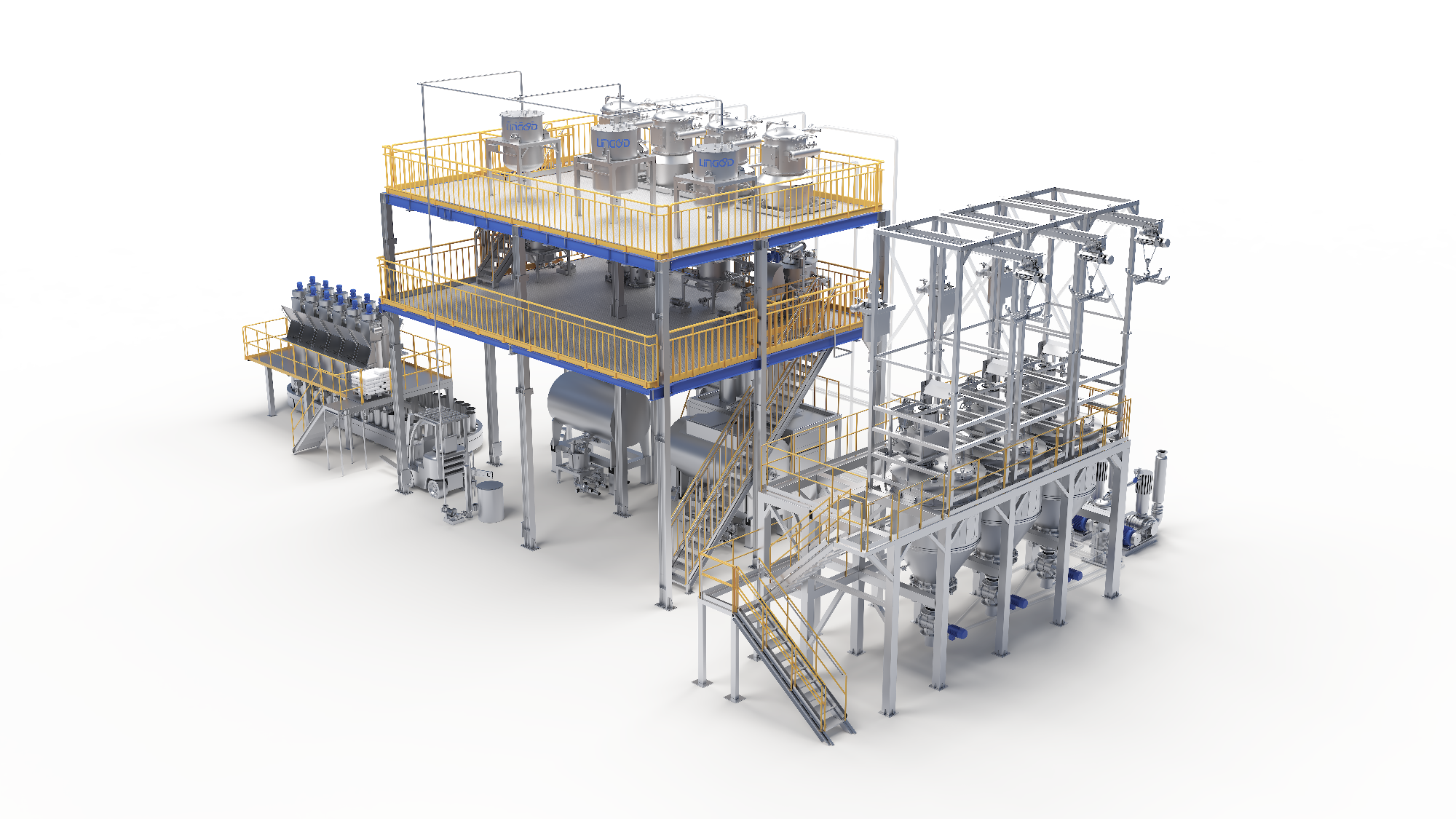
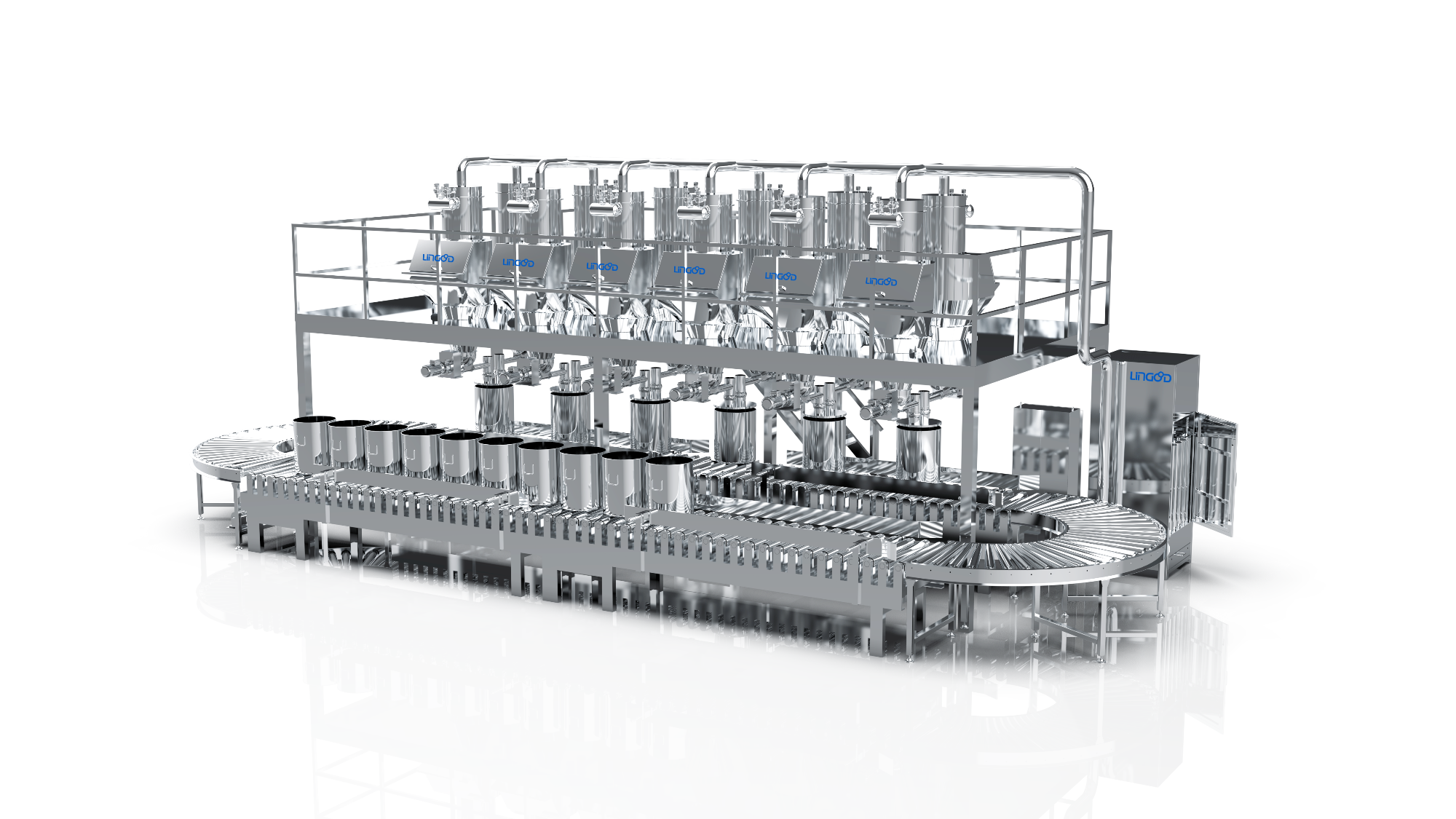
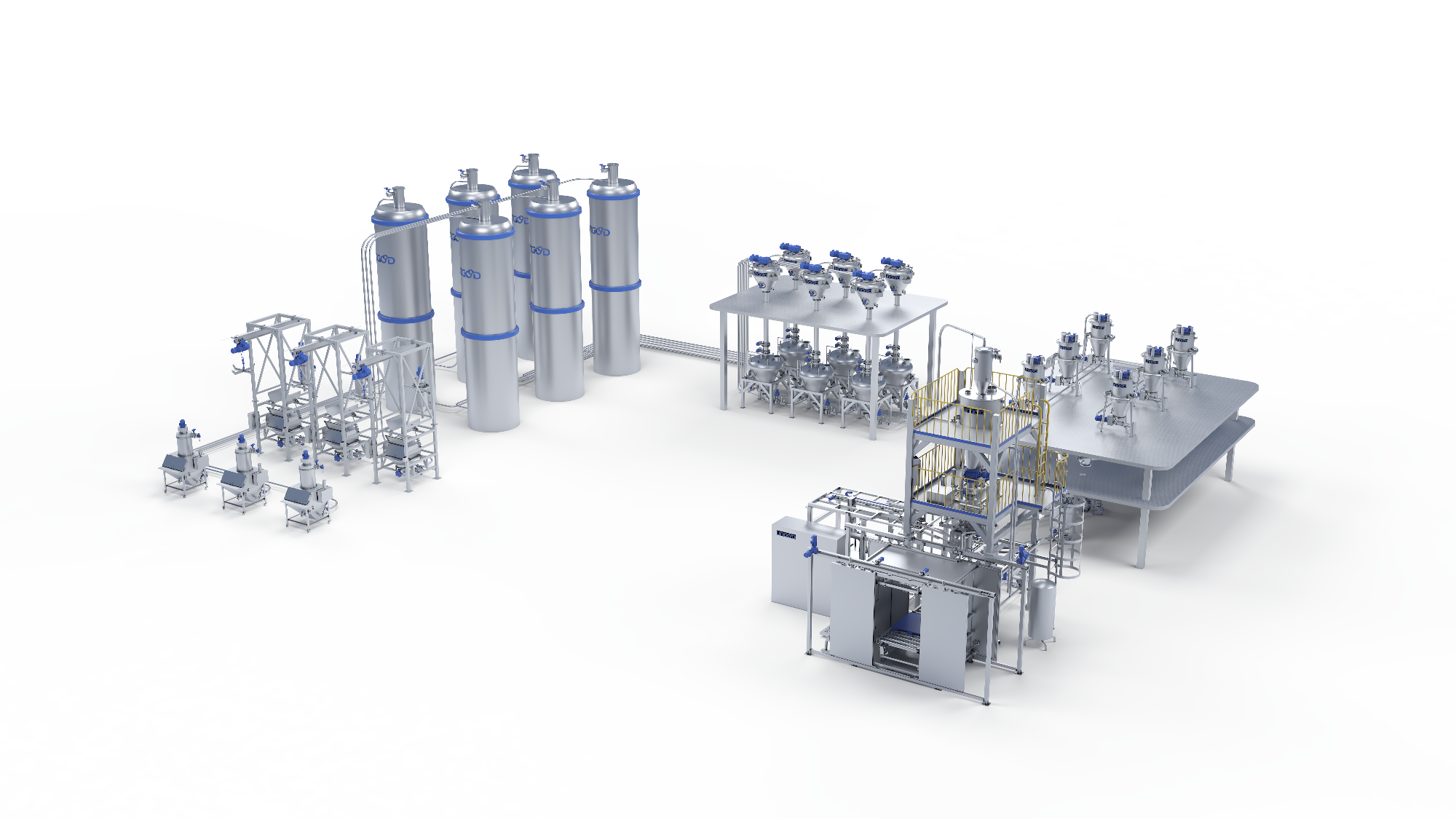
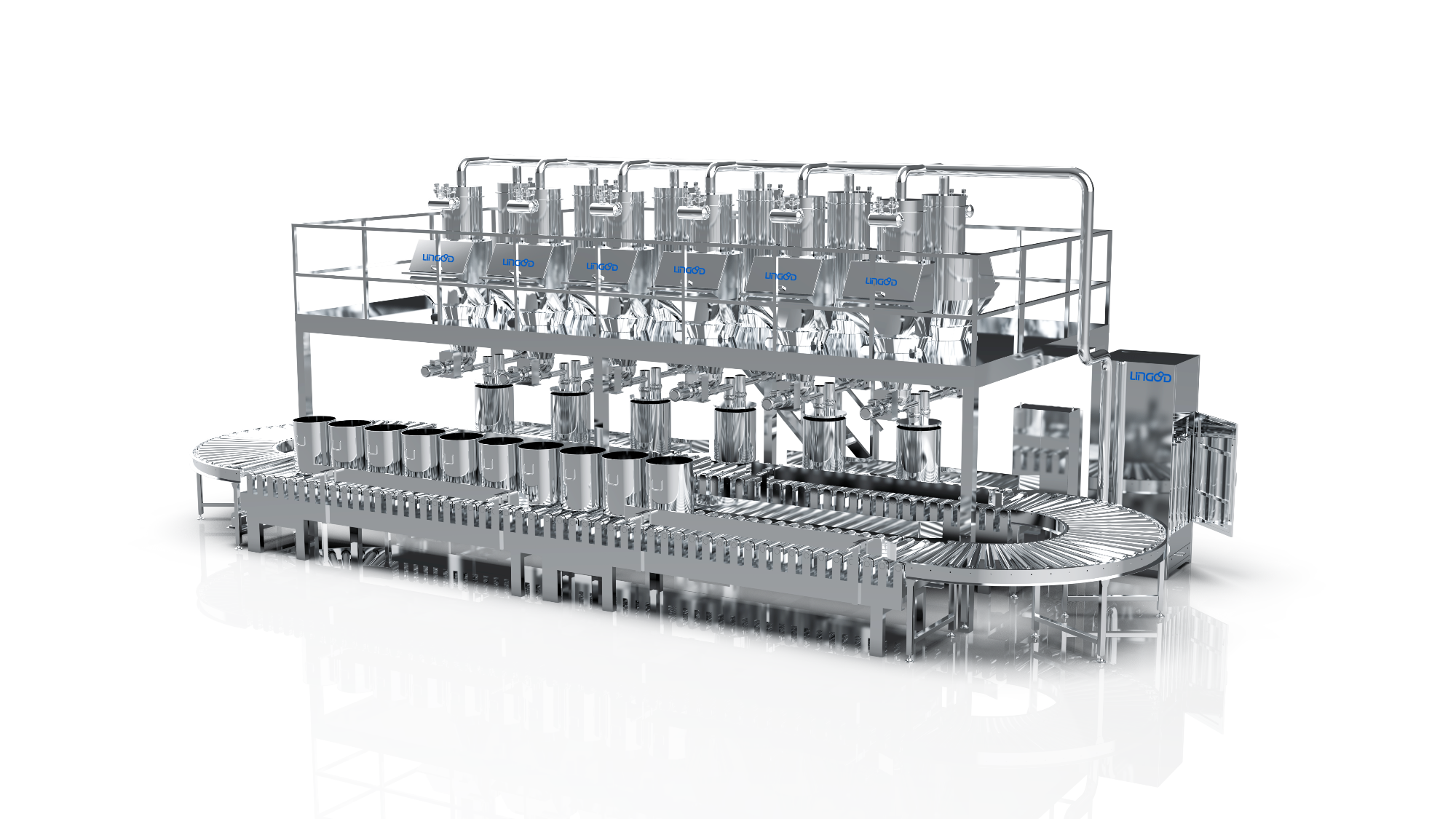
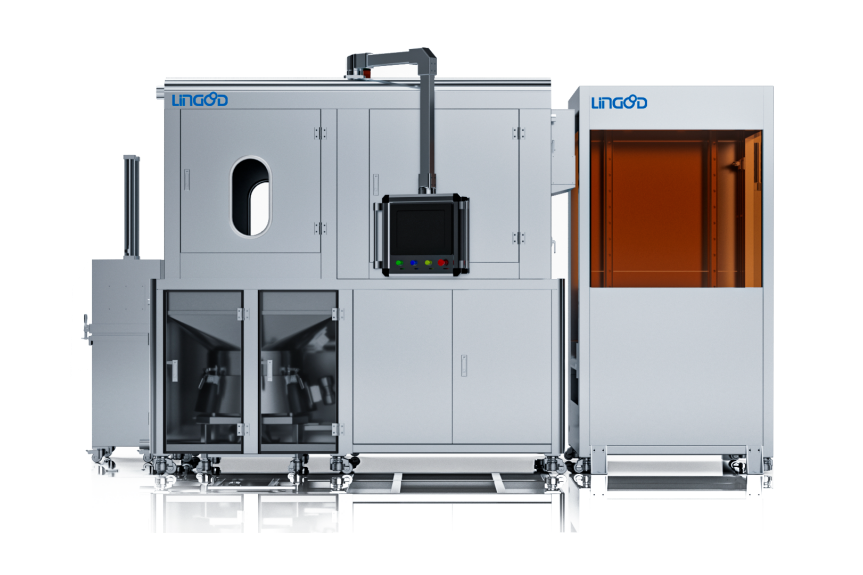
Based on the characteristics of different materials, Lingood Technology configured four main feeding lines and two side-feeding lines.
Resins, powders, masterbatches, glass fibers, and additives are handled through independent conveying channels, with each material matched to the appropriate conveying and metering structure.
All six feeding lines are managed by one central control system. Operators can select the required formulation on the touchscreen and set the total output. The system then automatically calculates and distributes the required feeding rate for each component and interlocks with the main extruder.
When changing formulations, preset parameters can be called directly, reducing manual adjustment errors and improving production consistency.
Titanium Dioxide: Improved Discharge and Conveying Stability
Lingood Solution:
A screw feeder was installed at the bulk-bag discharge outlet to actively control the material discharge rate.
The vacuum conveying pipeline diameter was increased to reduce conveying resistance and minimize the risk of blockage.
These measures help ensure continuous and stable refilling of the downstream loss-in-weight feeder.
Short Glass Fiber: Enhanced Wear Resistance at Critical Points
Lingood Solution:
To address impact and abrasion during short glass fiber conveying, the project adopted reinforced designs at key locations, including pipeline bends and the inlet area of the receiving hopper.
The solution has completed in-house material testing and will continue to be verified under actual operating conditions at the customer’s production site.
02 | 10 Formulations Validated with Real Materials in 7 Days
The system ran continuously for 7 days, processing approximately 10 tons of material and completing real-material validation for all 10 customer formulations, including:
PPR + 25% glass fiber reinforced compound
PPR + 60% titanium dioxide white masterbatch
HDPE + 60% calcium carbonate filled compound
PP + 50% barium sulfate and calcium carbonate filled compound
PP + 60% calcium oxide filled compound
PP + 65% talc filled compound
Other modified plastic formulations
One production line was successfully adapted to multiple processes including reinforcement, recycled-material modification, and high-filled compounding.
Formulation changeovers remained smooth and efficient, while material output stayed stable throughout the validation process and met the required production targets.
Following on-site acceptance, the Kazakhstan customer gave highly positive feedback:
“Even better than expected.”
The equipment will soon be shipped to Kazakhstan and commissioned for mass production at the customer’s local factory.






 Company Profile
 Development History
 Manufacturing Facilities
 Credit
 Partners
 Product Center
 System Center



 Service Innovation
 Technological innovations
 Company News
 Exhibition Info
 Lingood Technology
 Customer Cases
 Multimedia Downloads
 Global Network
 Service Contacts
 Join Us
 Investor Contact
 General Information
 Company Announcement