【LINGOOD】Plastics & Rubber | Solving the Challenge of Micro-Ingredient Dosing for a Polymer Materials Manufacturer
In continuous production, even a dosing deviation of just a few grams can directly affect material performance and batch-to-batch consistency.
A polymer materials manufacturer faced several challenges, including a large number of raw materials, frequent formulation changes, and difficulties in maintaining the accuracy and efficiency of manual weighing. To address these issues, the company partnered with Lingood Technology and introduced an intelligent micro-ingredient dosing system, upgrading its production process toward greater automation and precision.
Under the traditional manual dosing method, operators had to repeatedly check formulations, locate materials, weigh minor ingredients, and record production data.
For production involving multiple components and multiple batches, an error at any step could result in incorrect addition, missed addition, duplicate addition, weighing deviation, or incomplete records.
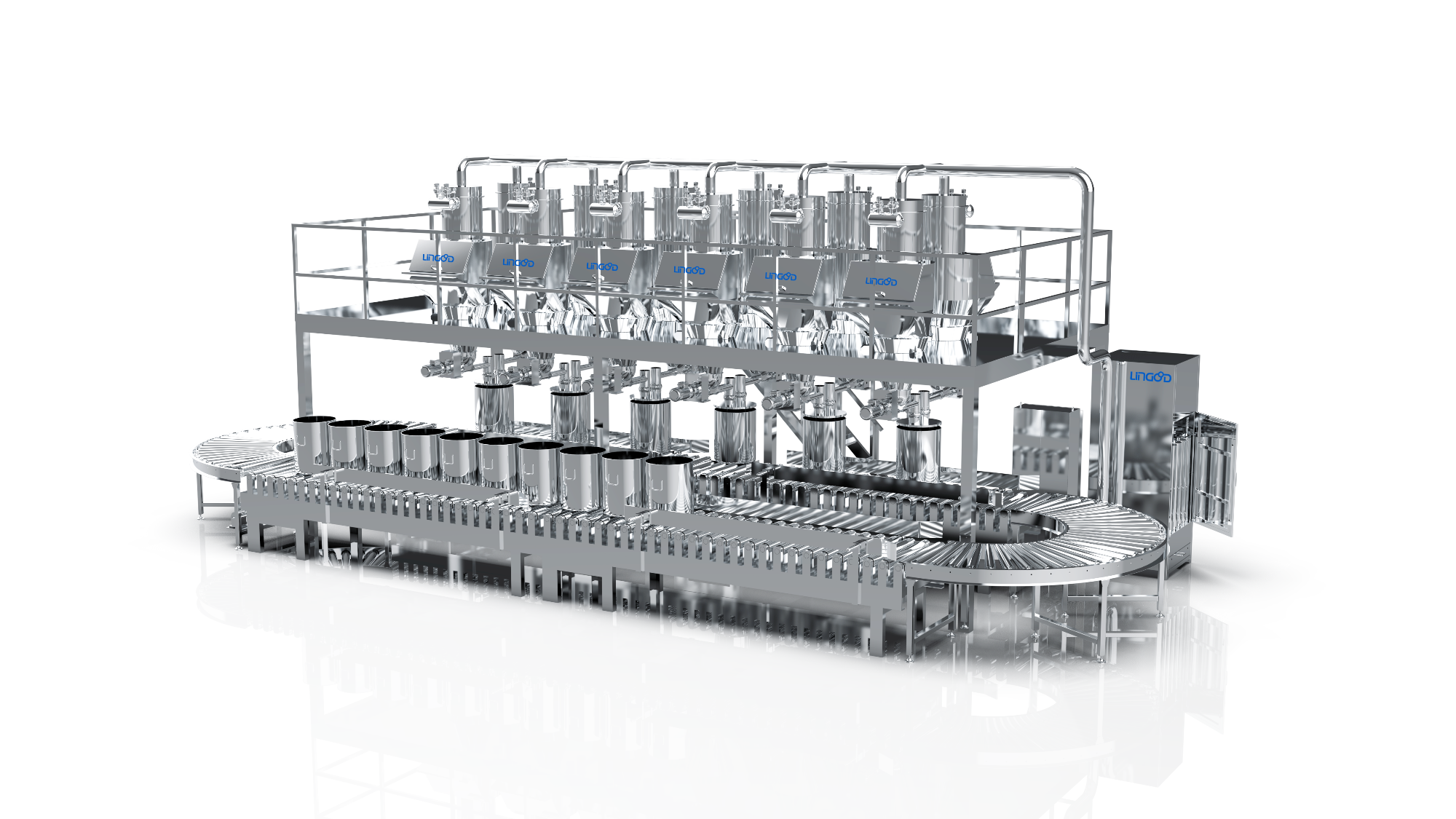
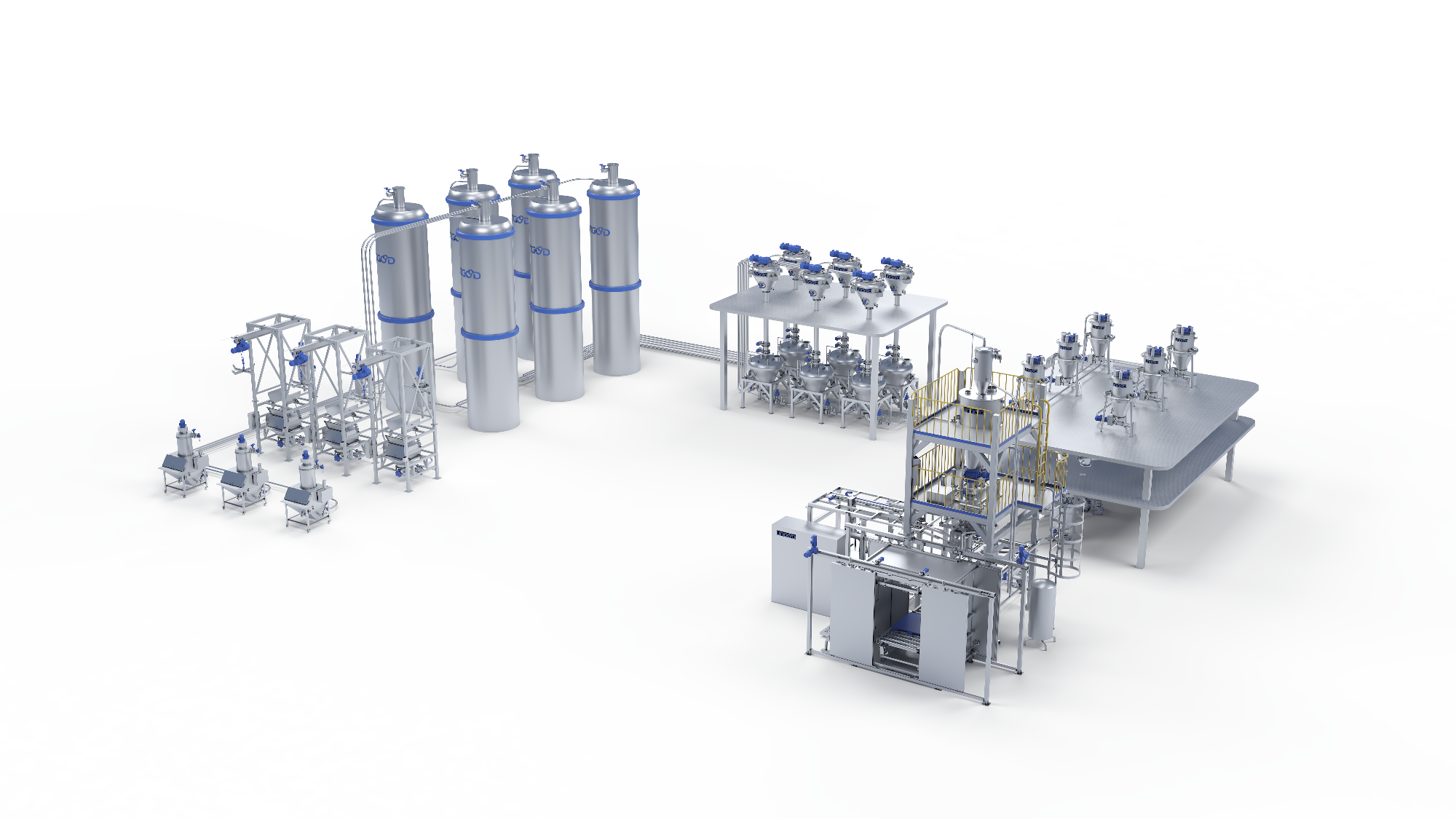
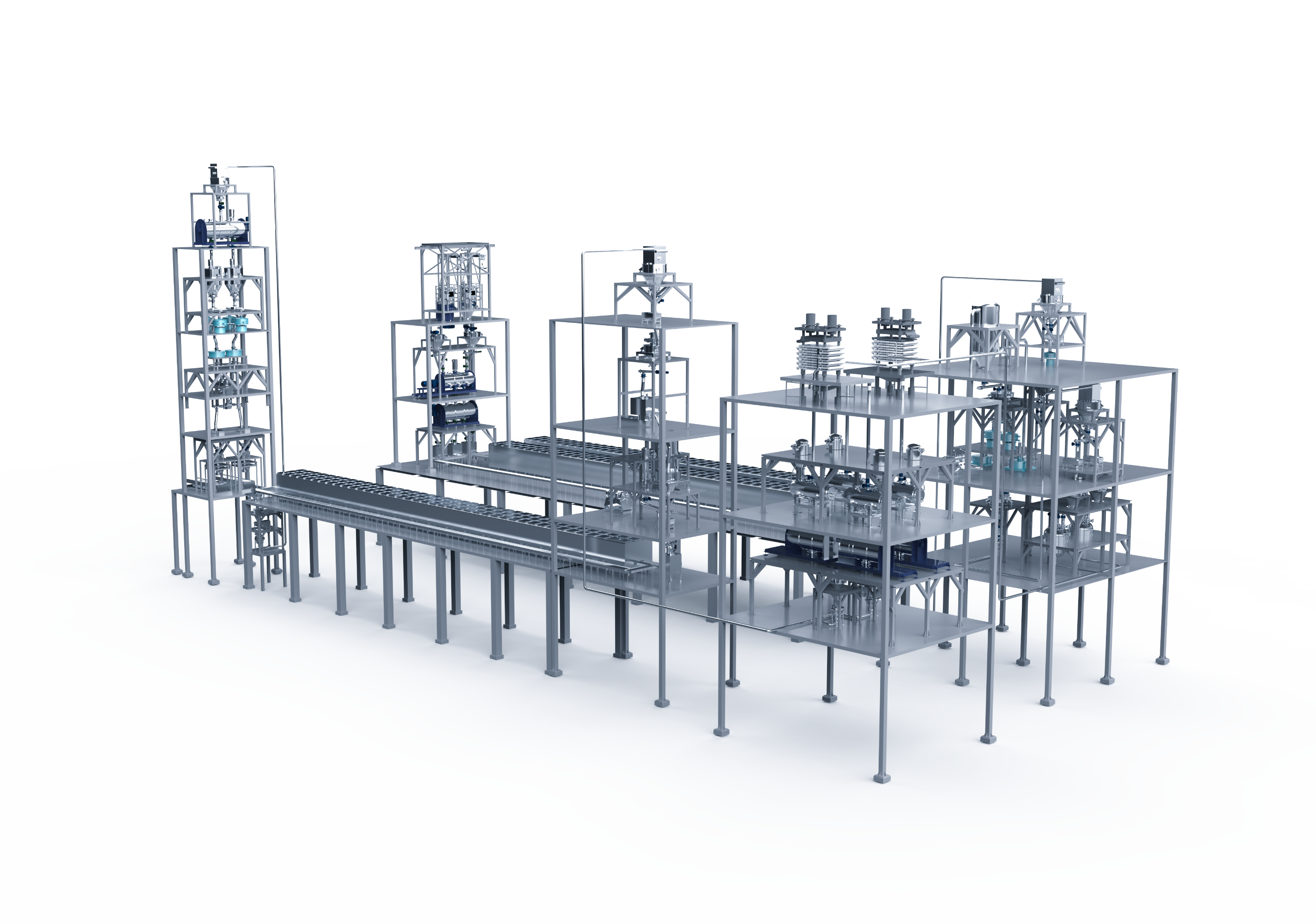
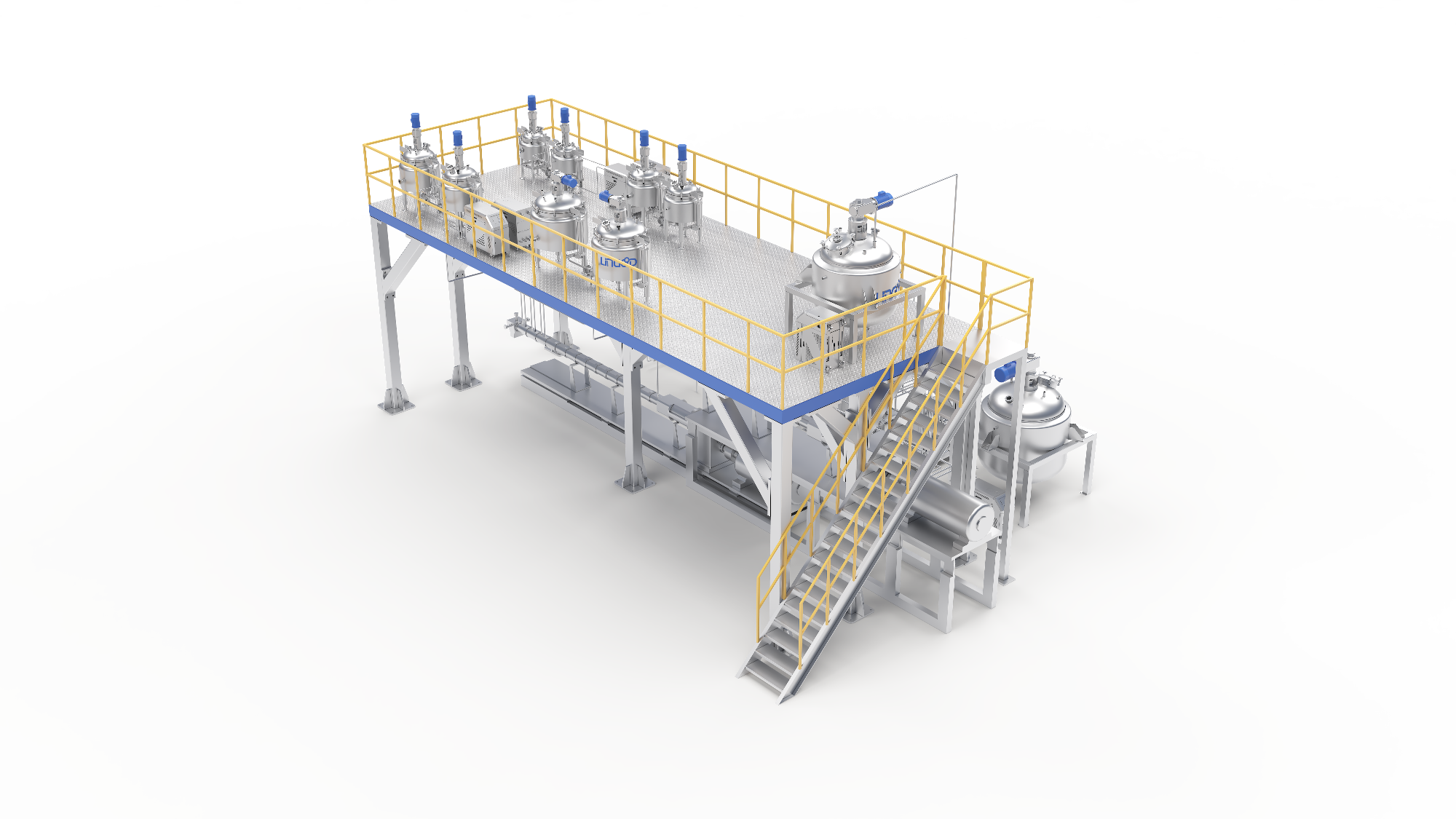
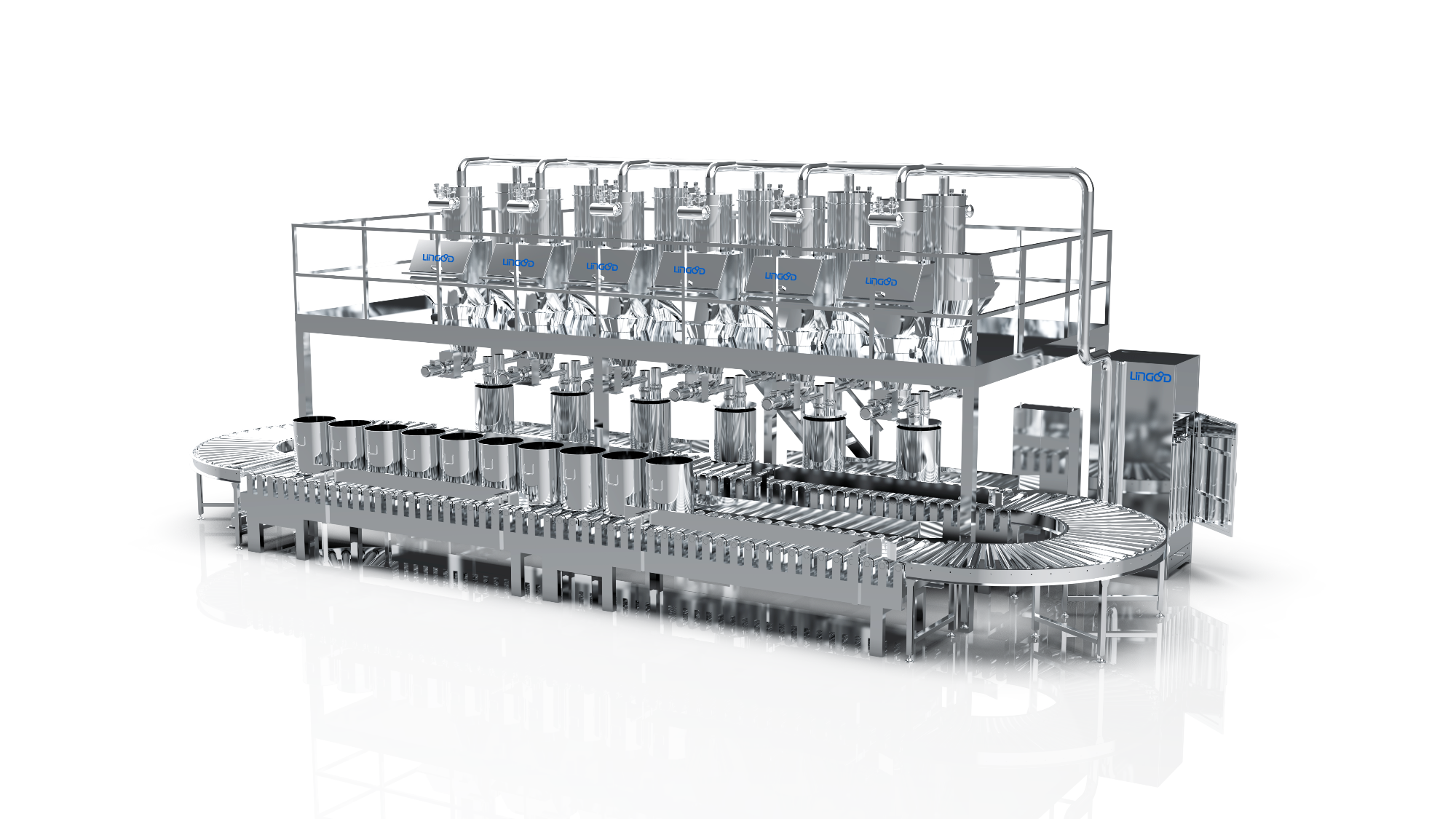
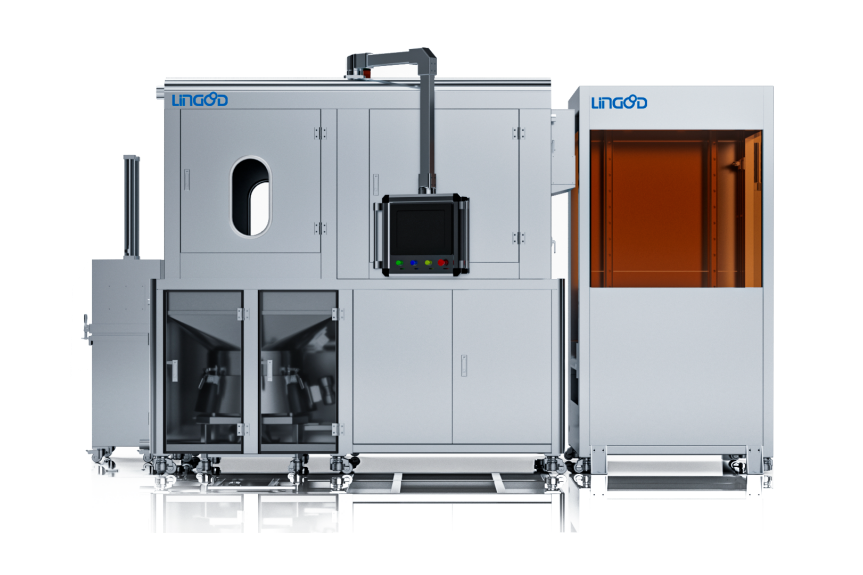
Lingood Technology therefore provided an intelligent micro-ingredient dosing system covering the entire process, including:
The system supports centralized management of formulations, raw materials, production orders, and barcode-based error prevention through the supervisory control system.
Weighing data and abnormal events are automatically recorded, enabling full-process traceability. Optional functions such as automatic bagging, labeling, and sealing can also be integrated to connect with downstream processes and create a complete automated production loop.
Tips
Lingood can configure the system modularly according to different customer requirements.
In this project, the system was designed to handle 18 different materials, while also allowing expansion to additional components in the future. This provides the customer with greater flexibility for new product development and formulation upgrades.
Material Testing Before System Design
Different powders and granules vary significantly in terms of:
Without proper material testing and structural adaptation, it can be difficult to ensure long-term system stability.
Before project implementation, Lingood carried out dedicated tests on the customer’s representative materials.
For powders such as calcium carbonate and talc, multiple rounds of testing were conducted under different dosing ranges, feeding structures, and conveying methods.
Under the project validation conditions, the formulation execution deviation of Lingood’s intelligent micro-ingredient dosing system was controlled within ±0.2%.
Actual dosing accuracy may vary depending on material characteristics, target dosing weight, weighing module configuration, feeding method, and site conditions.
More Than Equipment: An Engineering-Based Solution
For Lingood Technology, delivering an intelligent micro-ingredient dosing system is not simply about supplying equipment.
The project follows a complete engineering approach:
Material Testing → Solution Design → System Integration → On-site Delivery
This approach helps customers build a system that is verifiable, practical, and capable of stable long-term operation.
The successful delivery of this intelligent micro-ingredient dosing system for a polymer color materials manufacturer once again demonstrates Lingood’s engineering experience in micro-dosing applications for the plastics and rubber industry, as well as its capability to develop solutions based on experimental validation and data-supported design.
From gram-level additive dosing to the automatic execution of multi-component formulations, Lingood is helping plastics and rubber manufacturers make their upstream dosing processes more precise and controllable.
Looking ahead, Lingood will continue to focus on complex material handling applications and provide high-precision, high-stability intelligent micro-dosing solutions, supporting more materials manufacturers in achieving lean and automated production.






 Company Profile
 Development History
 Manufacturing Facilities
 Credit
 Partners
 Product Center
 System Center





 Service Innovation
 Technological innovations
 Company News
 Exhibition Info
 Lingood Technology
 Customer Cases
 Multimedia Downloads
 Global Network
 Service Contacts
 Join Us
 Investor Contact
 General Information
 Company Announcement